
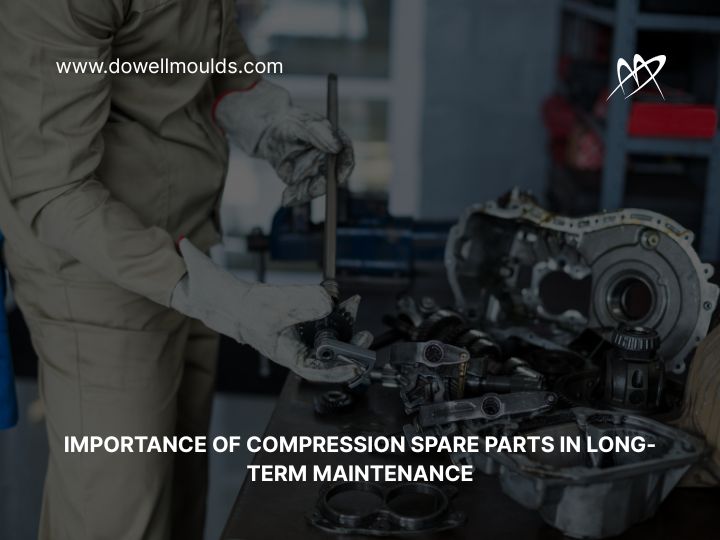
Consistent machine performance and product quality depend heavily on a reliable maintenance strategy in any manufacturing environment. For companies using compression moulding equipment, this involves more than just routine cleaning and lubrication. Compression spare parts' timely replacement and management are critical in ensuring long-term efficiency, safety, and productivity.
In this guide, we'll explore the essential role compression spare parts play in preventive maintenance, the consequences of neglecting them, and tips for building an innovative spare parts management system for your compression moulding operations.
Why Spare Parts Matter in Compression Moulding
Compression moulding machinery and moulds operate under high pressure and temperature, often producing thousands of parts daily. Over time, key components naturally experience:
-
Wear and tear
-
Thermal fatigue
-
Material build-up
-
Alignment issues
Without timely replacement of worn or damaged parts, you risk reduced product quality, equipment failure, costly downtime, and even safety hazards on the production floor.
Proactive spare parts management helps:
Maintain consistent part quality
Prevent unscheduled machine stoppages
Extend the lifespan of expensive moulds and equipment
Ensure operator safety
Reduce maintenance costs over time
Essential Spare Parts for Compression Moulding
Some of the most critical spare parts to keep in your inventory include:
1. Platen Bolts and Bushings
-
Function: Secure moulds and maintain precise alignment during operation.
-
Maintenance Need: Worn bolts or bushings can cause misalignment and flashing.
2. Mould Inserts and Core Plates
-
Function: Define the part's shape inside the mould.
-
Maintenance Need: Replace when surface wear or dimensional changes appear.
3. Ejector Systems (Ejector Pins, Plates)
-
Function: Safely release finished parts from the mould cavity.
-
Maintenance Need: Worn ejectors can cause sticking parts or surface defects.
4. Sealing Components (O-Rings, Gaskets)
-
Function: Maintain hydraulic and pneumatic system integrity.
-
Maintenance Need: Replace routinely to prevent leaks and pressure drops.
5. Heating Elements and Sensors
-
Function: Regulate mould temperature for optimal curing.
-
Maintenance Need: Malfunctioning heaters or sensors can lead to uneven curing and defective parts.
6. Guiding and Locating Components (Guide Pins, Bushes)
-
Function: Ensure proper alignment between mould halves.
-
Maintenance Need: Replace when wear affects part precision.
The Risks of Ignoring Spare Part Maintenance
Skipping or delaying spare parts replacement might seem like a short-term cost-saving measure, but it often leads to more significant operational risks and expenses. Common consequences include:
-
Unplanned Downtime: Sudden part failures stop production and cause delivery delays.
-
Increased Scrap Rates: Worn components lead to dimensional inaccuracies, surface defects, or improperly cured parts.
-
Costly Emergency Repairs: Emergency part replacements often come with premium pricing and expedited shipping charges.
-
Shortened Equipment Life: Running equipment with compromised parts increases wear on surrounding components, accelerating overall machine degradation.
Long-Term Benefits of Spare Parts Planning
When manufacturers prioritize spare parts management as part of their preventive maintenance programs, the benefits are significant:
-
Higher Machine Availability: Quick part replacements reduce downtime and maintain production schedules.
-
Consistent Product Quality: Properly maintained moulds and equipment ensure each part meets dimensional and performance standards.
-
Lower Long-Term Costs: Preventive replacements and stocked spares eliminate expensive emergency repairs and rush part orders.
-
Safer Work Environment: Well-maintained machinery reduces risks of mechanical failure and operator injury.
Spare Parts Management Tips for Compression Moulding
1. Maintain a Critical Spare Parts List
Identify and catalogue components most likely to wear out or cause downtime if they fail. Focus on high-risk, high-use parts like ejector pins, heating elements, and seals.
2. Track Part Usage and Service History
Implement a system to monitor part replacements and maintenance logs. This helps predict when parts will need replacing and avoid stock shortages.
3. Stock Genuine, High-Quality Spares
Use OEM or certified aftermarket parts compatible with your specific equipment and materials. Inferior parts can accelerate wear or cause equipment issues.
4. Schedule Regular Inspections
Combine visual inspections and wear measurements to track component condition. Replace parts showing early signs of damage before failure occurs.
5. Train Maintenance Teams on Part Replacement Procedures
Ensure technicians understand proper disassembly, installation, and alignment procedures to minimize errors during part replacements.
Conclusion
In compression moulding manufacturing, effective long-term maintenance relies on more than machine servicing alone — it demands a structured, proactive approach to spare parts management. By maintaining a well-organized inventory of essential compression spare parts and integrating routine part inspections into your maintenance strategy, you'll extend the operational life of your equipment, reduce unplanned downtime, and protect your product quality standards.
Investing in quality spare parts today is an investment in operational reliability and cost savings tomorrow.